



Wholesale Merino Wool Activewear in 2026: What Overseas Buyers Need to Know Before Placing an Order
If you're importing activewear into Europe, North America, Australia, or Japan, you've seen the shift: buyers no longer ask "wool or synthetic?" — they're asking for merino wool activewear by name, with a micron count, a certification number, and a delivery date attached.
That demand is no longer niche. The global merino wool apparel market is estimated at USD 4.85 billion in 2026, with Europe holding a 40–45% share and North America around 30–35%. Inside that, Europe's technical merino performance segment is the fastest-growing slice, and merino travel apparel — the category built on multi-day wear and anti-odor performance — is expanding at double-digit rates. The wider global activewear market is projected to reach USD 456 billion in 2026, with North America alone at roughly USD 97 billion.
For importers, distributors, and private-label brands, this creates a specific window: consumer demand for merino is confirmed, but supply chains for merino activewear — as opposed to traditional knitwear — remain concentrated among a small group of manufacturers. This guide covers what overseas buyers actually need to verify before placing a first order.
- USD 4.85B — global merino wool apparel market in 2026
- 40–45% — Europe's share of merino apparel demand; North America holds 30–35%
- USD 456B — global activewear market in 2026, with the US at roughly USD 97B
- ~80% — share of global merino supply originating from Australia
Why Merino Sells in Export Markets — and What Buyers Ask For
Merino isn't a short-lived trend. Its commercial value sits in performance claims that consumers in mature outdoor markets already understand, and that your product listings, hangtags, and Amazon or Shopify copy can legally stand behind:
- Moisture management: merino can absorb up to 35% of its own dry weight in moisture vapor while still feeling dry (CSIRO research) — synthetics only start wicking once sweat beads into liquid.
- Thermoregulation: in University of Graz trials, athletes wearing merino recorded 13% lower body temperature and 9% lower lactate build-up than those in polypropylene.
- Odor resistance: merino's scaly fiber structure traps odor molecules, letting garments go multiple wears between washes — the most marketable benefit in travel and multi-day outdoor segments.
- Skin comfort: activewear-grade merino at 16.5–19.5 micron is genuinely itch-free, which removes the biggest historical objection at retail.
- Sustainability claims that hold up: merino is renewable and biodegradable, and certifications such as RWS (Responsible Wool Standard), ZQ/ZQRX, and OEKO-TEX Standard 100 give your green claims documentary backing — increasingly a market-access requirement rather than a marketing extra.
Merino vs. Synthetic: the Comparison Your Retail Buyers Will Run
| Property | Merino Wool | Synthetic (Polyester/Nylon) |
|---|---|---|
| Temperature regulation | Active in both directions — warm when cold, cool when hot | Mostly insulating; can overheat |
| Moisture handling | Absorbs vapor before it becomes liquid sweat | Wicks liquid only; clammy when saturated |
| Odor resistance | Naturally antibacterial — multi-day wear | Builds odor within hours |
| Feel when damp | Stays dry-feeling up to ~30% moisture | Feels wet immediately |
| Environmental profile | Renewable and biodegradable; RWS/ZQ traceable | Petroleum-based; sheds microplastics |
| Durability | Good; nylon blends raise abrasion resistance | Excellent abrasion resistance |
Most European and North American programs we quote are blends rather than 100% merino — typically 85–90% merino with nylon and 5–8% elastane. That keeps the performance story intact while meeting the stretch-recovery and opacity standards retailers test for.
What Each Export Market Actually Buys
Merino demand is global, but the product brief is not. Buyers in Hamburg, Colorado, and Queensland want different weights, fits, and paperwork. Here's how requirements typically break down:
| Market | Fastest-moving styles | Compliance focus |
|---|---|---|
| Europe (DE, NL, Nordics, UK) | Base layers, seamless leggings, merino-blend tees, quiet-luxury loungewear | OEKO-TEX Standard 100, RWS/ZQ, REACH; durability and repairability data increasingly requested |
| North America (US, Canada) | Compression leggings, high-impact sports bras, bike shorts, travel apparel | OEKO-TEX, BSCI social audit, CPSIA for children's styles, state-level chemical rules |
| Australia / New Zealand | Outdoor and trail pieces, mid-weight leggings, hiking base layers | Merino literacy is high — micron and GSM claims are scrutinized closely |
| Japan / Korea | Lightweight next-to-skin layers, refined color stories, compact size runs | Fabric hand-feel, tight measurement tolerance, detailed test reports |
The Product Categories Moving Fastest
Merino has expanded well beyond thermal base layers into four-season, next-to-skin performance pieces. These are the programs we quote most often:
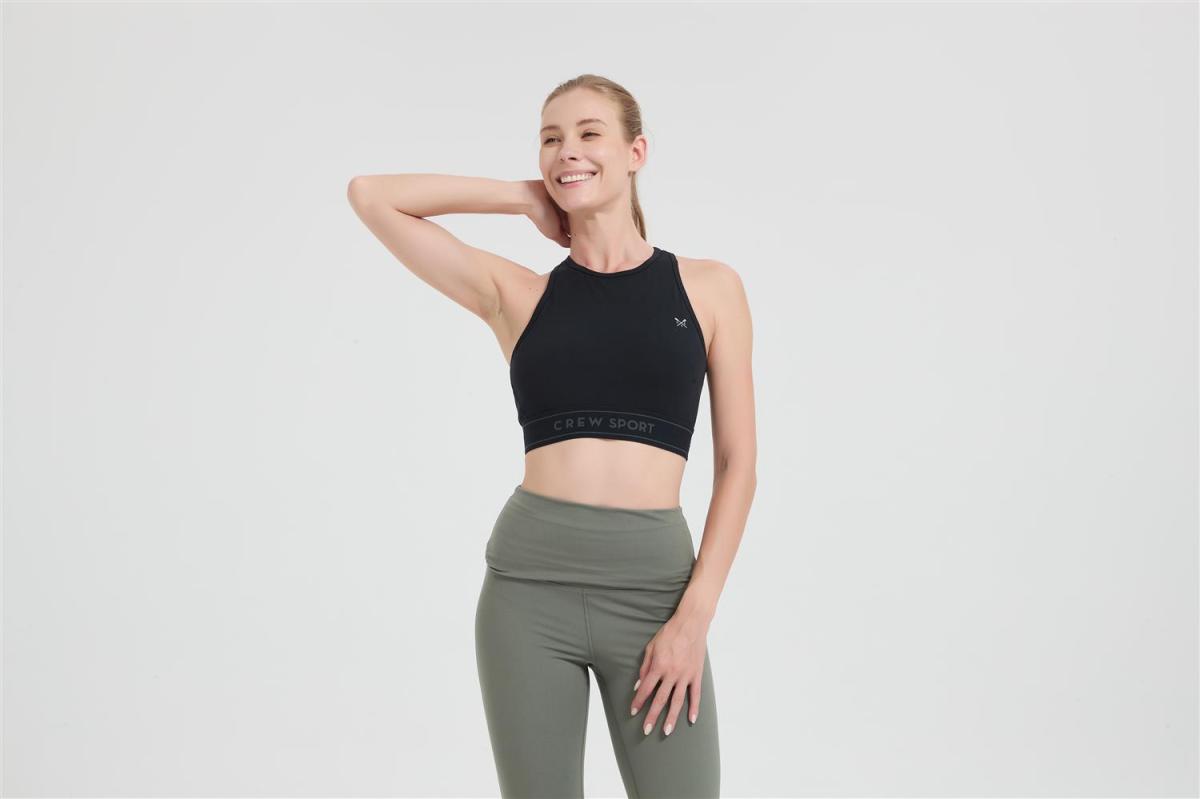
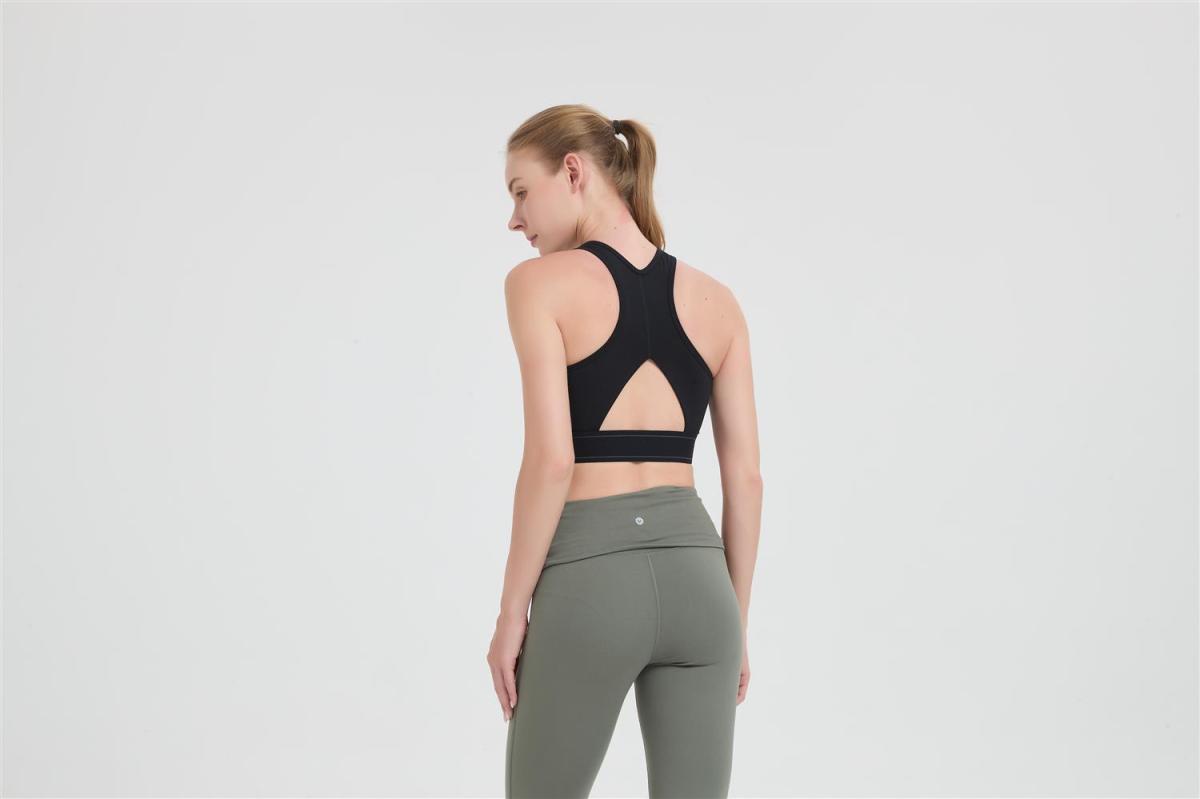
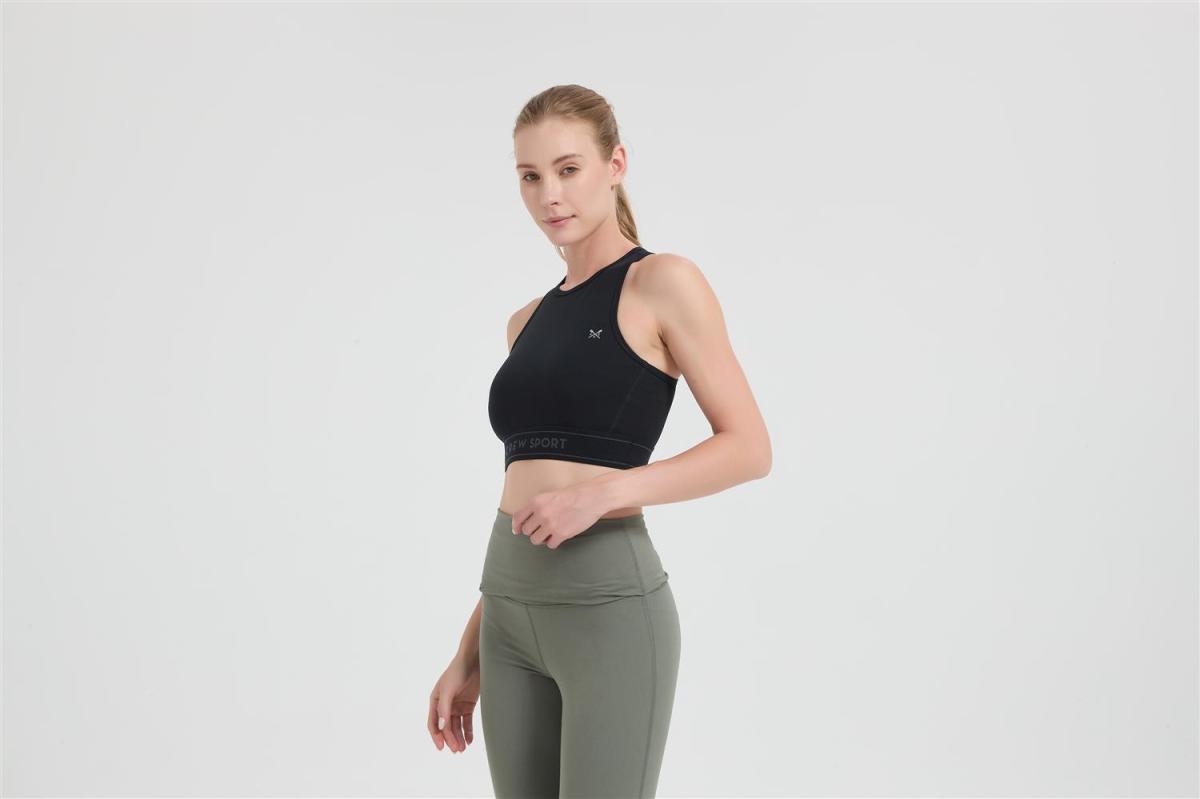
- Merino wool sports bras — 16.5-micron fiber, itch-free second-skin fit, 75% merino / 25% spandex, in low, medium and high-impact longline styles. MOQ 500 pcs/style/color. View high-impact merino sports bras
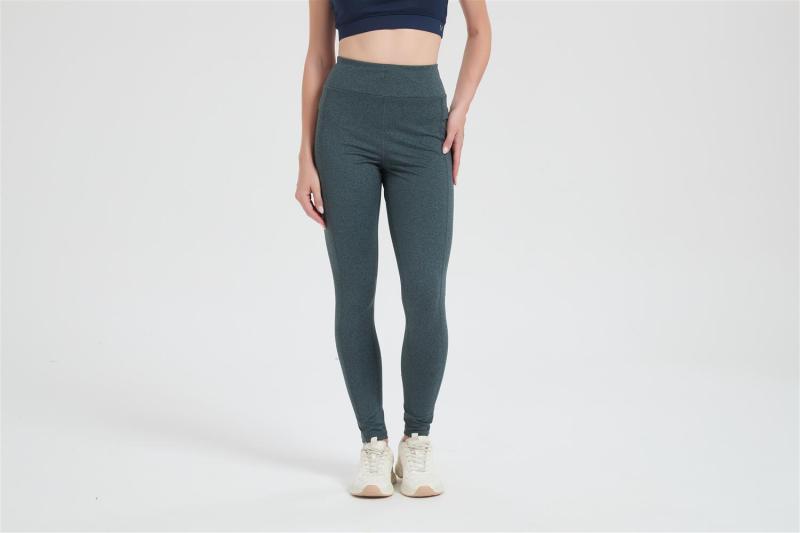
- Merino sports leggings — 17.5-micron, 56% merino / 36% nylon / 8% spandex, with compression, tummy-control and pocketed styles in 25"/28" high-waist cuts. MOQ 300 pcs/style/color. View compression merino leggings
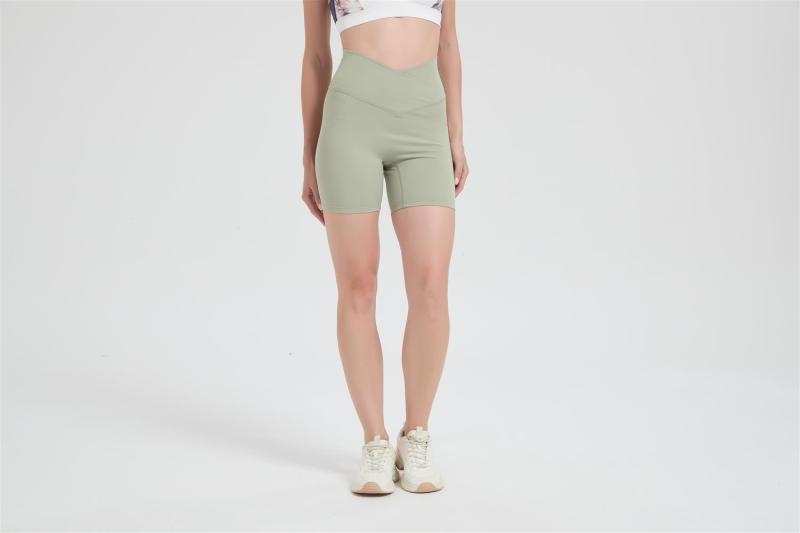
- Merino bike shorts — 90% merino construction that wicks sweat and dries fast, for cycling, running and everyday wear, with or without pockets. View 90% merino bike shorts
- Merino wide-leg pants — ribbed, cross-waist and elastic-waist styles that move from studio to street, a strong fit for EU quiet-luxury assortments. View ribbed merino wide-leg pants
Browse the full range in our Merino Activewear collection — every style can be customized by composition, micron, GSM, color (Pantone matching), logo, trims, and export packaging.
Before You Place a PO: a 7-Point Import Checklist
After quoting programs for buyers across four continents, we've seen the same failures repeat — unverifiable certifications, misread MOQ terms, and samples that never went through a real wear test. Work through this list before signing:
- Know who you're buying from. Ask directly whether the supplier runs its own cutting and sewing or sources from third-party lines. Request a live video walkthrough — not a pre-recorded clip — and confirm which entity holds the export license.
- Verify certifications with numbers, not logos. For the EU you need OEKO-TEX Standard 100 and, for wool claims, RWS or ZQ. For the US add BSCI social compliance, and CPSIA if any style is childrenswear. Ask for certificate numbers you can check on the issuer's database.
- Lock the fabric spec in writing. "Merino" spans 16.5 to 23+ micron. Your tech pack must state micron range, merino percentage, GSM (typically 150–180 for light bases, 200–260 for leggings), knit structure, and stretch-recovery target — otherwise the mill picks the cheapest option that still passes inspection.
- Read the MOQ fine print. Is the minimum per style, per color, or per order? Can sizes and colors be mixed within it? We state our MOQ per style and per color upfront, so the math never changes after deposit.
- Test the sample like a customer would. Squat test for opacity in every colorway, seam stress at crotch and waistband, wash-and-dry shrinkage, and a full day of wear for itch and odor. Merino blends behave very differently across knit structures — one sample per construction, minimum.
- Agree QC and inspection standards. AQL 2.5 is the working baseline; for orders above USD 20,000, book third-party pre-shipment inspection (SGS, TÜV, Intertek) and specify who pays.
- Confirm trade terms and documents. Settle Incoterms (FOB, CIF, or DDP), the loading port, payment structure, and the document set — commercial invoice, packing list, bill of lading, certificate of origin, test reports, and any RWS/OEKO-TEX transaction certificates your retailer requires.
How We Work With Overseas Buyers
CraftYourWear produces customized merino activewear for brands, importers, and distributors exporting to Europe, North America, Australia, and Asia. The details buyers ask about first:
| Item | Details |
|---|---|
| Customization | Fabric composition and micron grade, GSM, knit structure, Pantone color matching, logo (print, embroidery, silicone), trims, and private-label packaging |
| MOQ | From 300 pcs/style/color (leggings) and 500 pcs/style/color (sports bras); mixed sizes within a style accepted |
| Payment terms | T/T, L/C, D/P, D/A, Western Union, MoneyGram, PayPal |
| Sampling | Counter-samples developed from your tech pack or a reference product; fit and fabric approved before bulk |
| Compliance support | OEKO-TEX and BSCI documentation, fiber-content and test reports for EU/US customs and retailer onboarding |
| Shipping | FOB Chinese ports; air and sea freight coordination, Amazon FBA and 3PL labeling on request |
Frequently Asked Questions
What certifications do I need to import merino activewear into the EU?
At minimum OEKO-TEX Standard 100 for the finished fabric and dyed goods, plus REACH compliance for chemicals. If you market the wool as responsibly sourced, you'll want RWS or ZQ/ZQRX chain-of-custody documentation. Many EU retailers now also ask for durability and pilling test data.
What micron count should I specify for next-to-skin activewear?
16.5–18.5 micron gives the softest, reliably itch-free hand-feel for sports bras and base layers. 19.5 micron is a cost-effective choice for leggings and looser styles. Above 21.5 micron you risk the "scratchy wool" objection at retail.
100% merino or a blend — which should I import?
100% merino maximizes the natural-performance story. Blends with 10–15% nylon and a small elastane content materially improve durability, opacity, and shape retention for compression styles. We produce both and advise per style based on your target retail price and use case.
What are your payment terms and Incoterms?
We accept T/T, L/C, D/P, D/A, Western Union, MoneyGram, and PayPal. Standard shipment is FOB from Chinese ports; CIF and DDP can be quoted depending on destination and volume.
Can you develop a counter-sample from my existing best-seller?
Yes. Send a product link or a physical sample — we analyze composition, micron, GSM, knit structure, and construction, then develop a counter-sample for your approval before quoting bulk.
Do you support Amazon FBA or 3PL packaging?
Yes. We handle polybag and hangtag specs, barcode and FNSKU labeling, poly-bag suffocation warnings, and carton marking to your forwarder's requirements.
Closing Summary
The merino activewear window is open: demand is documented, retail literacy is high, and supply is still concentrated. The buyers who win the shelf space in 2026 will be the ones who lock fabric specs, verify certifications, and sample properly before committing volume. When you're ready to move, contact our export team for a free quote — or start with our Merino Activewear collection and request counter-samples from any style.

